Autumn isn't winter prep — it's the second spring. The soil is still warm, growth accelerates, and what you do now determines how your garden looks next year.
March Tasks
Prune and shape
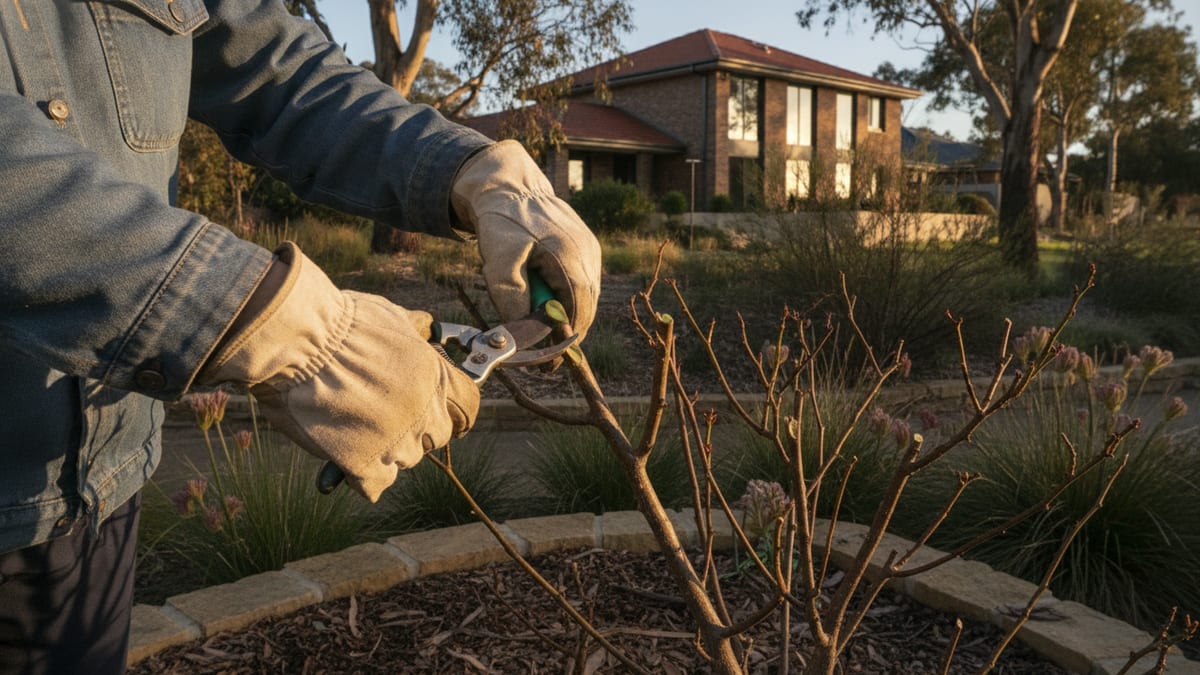
Perennials and shrubs that have become leggy benefit from a light prune in early autumn. Cut back by a third, don't scalp them.
Aerate and feed the lawn
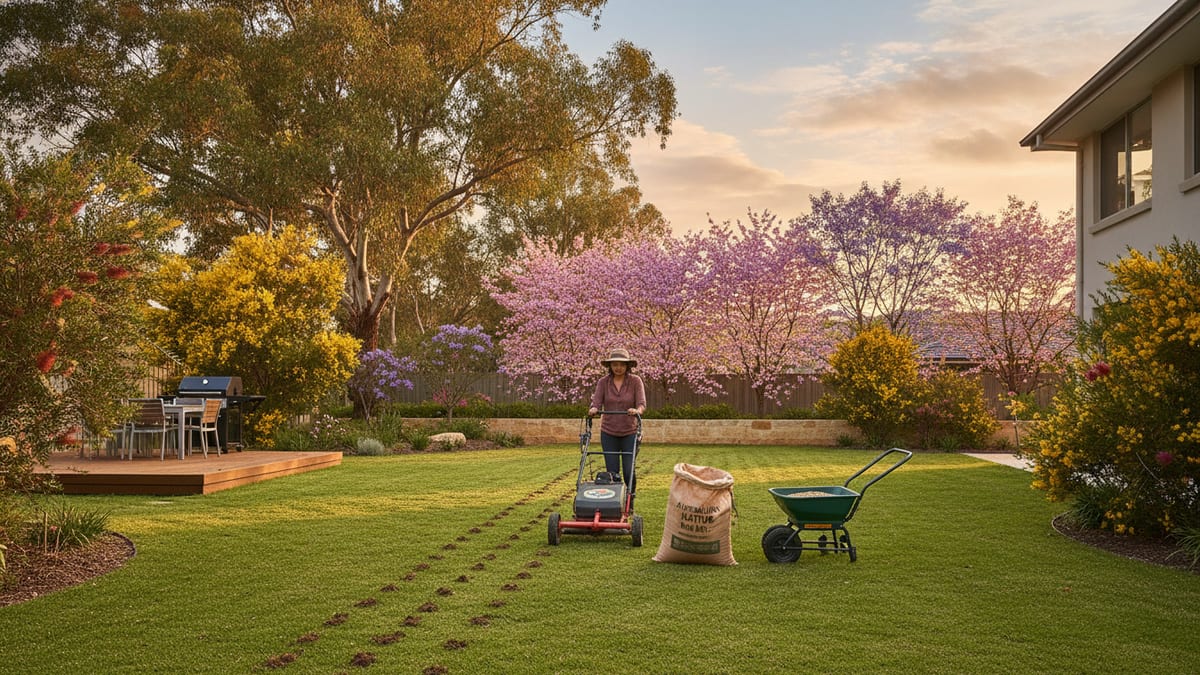
Similar to spring prep but lighter. One pass with a spike aerator and a balanced fertiliser keeps lawns healthy through autumn growth.
Plant spring bulbs
March is the time to order. Plant in April when soil temps drop.
Clean up summer debris
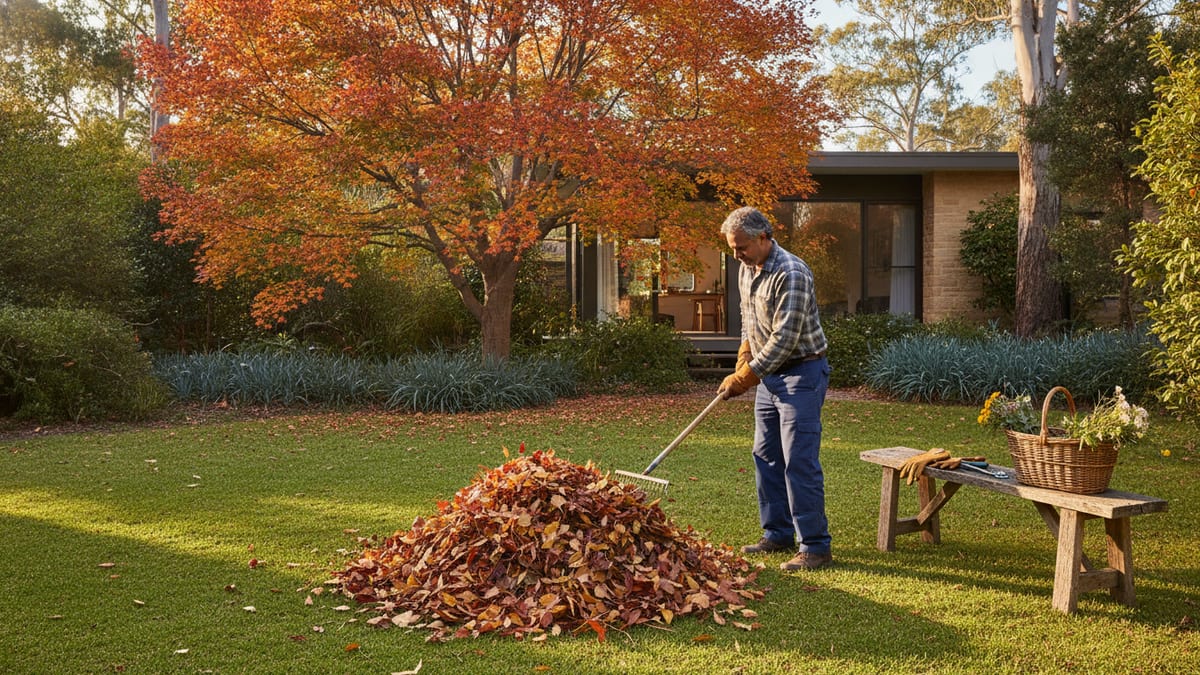
Remove dead annuals, fallen leaves, and summer mulch. Compost what you can.
April Tasks
Plant spring flowering bulbs
Tulips, daffodils, hyacinths, and crocuses go in now. They need cold to flower well.
Sow spring vegetables
Lettuce, spinach, peas, and root vegetables sown in April will be ready by early winter.
Hedge trimming
Second (and final) trim of the year. Light shapingBefore growth slows in late autumn.
Check drainage
Heavy autumn rains are coming. Clear gutters, check that water runs away from foundations.
Mulch beds
A fresh layer of mulch helps with moisture retention and weed suppression as growth slows.
May Tasks
Final lawn feed
A balanced or potassium-rich feed in early May strengthens grass for winter dormancy.
Prune spring-flowering natives
Wait until after flowering (late spring), but if you need to shape banksias, grevilleas, or other spring bloomers, do it in May.
Plant shade-loving plants
Trees have dropped their leaves — shaded areas are now visible. Plant shade-tolerant shrubs and ground covers.
Tidy perennial beds
Cut back spent perennials. Leave ornamental grasses — they're beautiful through winter.
One final mow
Raise the mower height and take the lawn down to 4–5cm. Then stop mowing until spring.
General Autumn Checklist
- Inspect walls and retaining structures for damage from summer storms
- Check irrigation — reduce frequency as temps drop
- Test soil if you're planning spring plantings
- Divide established perennials and grasses
- Collect seeds from native plants for winter sowing
- Clean and service garden tools and equipment
- Check tree stakes and ties — loosen if they're girdling growth
What NOT to Do
- Don't prune spring-flowering plants yet (you'll remove flowers)
- Don't rake up all the leaves (they add nutrients and shelter wildlife)
- Don't stop watering completely (autumn is still warm; plants need water)
- Don't plant tender annuals (autumn-planted basil, tomatoes will struggle)
The Big Picture
Autumn is gentler than spring. Growth slows, but it's still happening. Use this season to:
- Refine what you did in spring
- Address summer problem areas
- Prepare for winter
- Plant for next spring
A well-managed autumn garden goes into winter strong and emerges into spring thriving.