One of the greatest pleasures of a native garden is the wildlife it attracts. A garden that draws kookaburras, lorikeets, native bees, and butterflies feels alive. Here's how to plant specifically to make that happen.
The Foundation: Native Plants
Birds, bees, and butterflies evolved with native plants. They know how to use them. When you plant natives, wildlife follows.
Introduced ornamentals — even if they flower prolifically — often miss the mark. A bird might visit a fancy hybrid shrub once. It'll visit a native plant repeatedly, season after season.
The Big Three: Grevilleas, Banksias, and Eucalypts
These are the wildlife magnets of the Hills District:
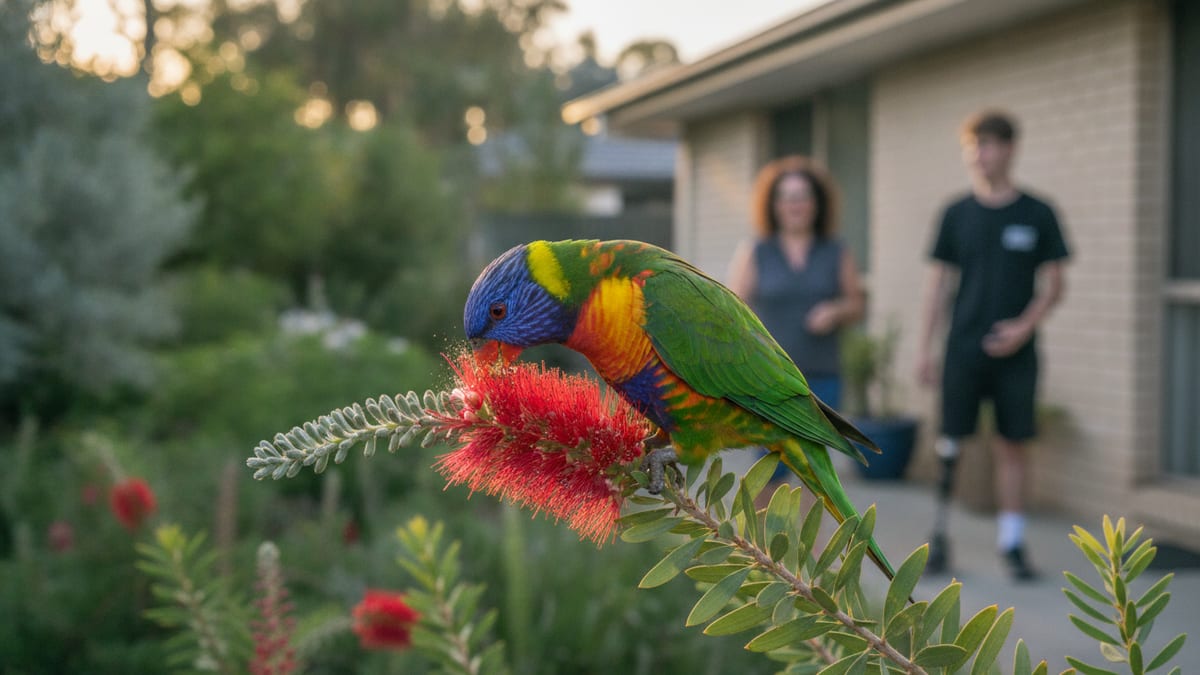
Grevilleas: Nectar-rich flowers in red, pink, orange, and cream. Honeyeaters (especially Lewin's lorikeets) can't resist them. Plant in full sun and well-draining soil.
Banksias: Dramatic flower spikes, deep nectar reserves. They flower at different times depending on species, so plant 2–3 varieties for year-round blooms.
Eucalypts: Some eucalypts flower prolifically. Eucalyptus saligna and E. robusta are local species that attract dozens of bird species.
Understory Plants Matter
The tall trees are important, but the mid-layer is where most wildlife activity happens. Plant shrubs like:
- Prostanthera (mint bush)
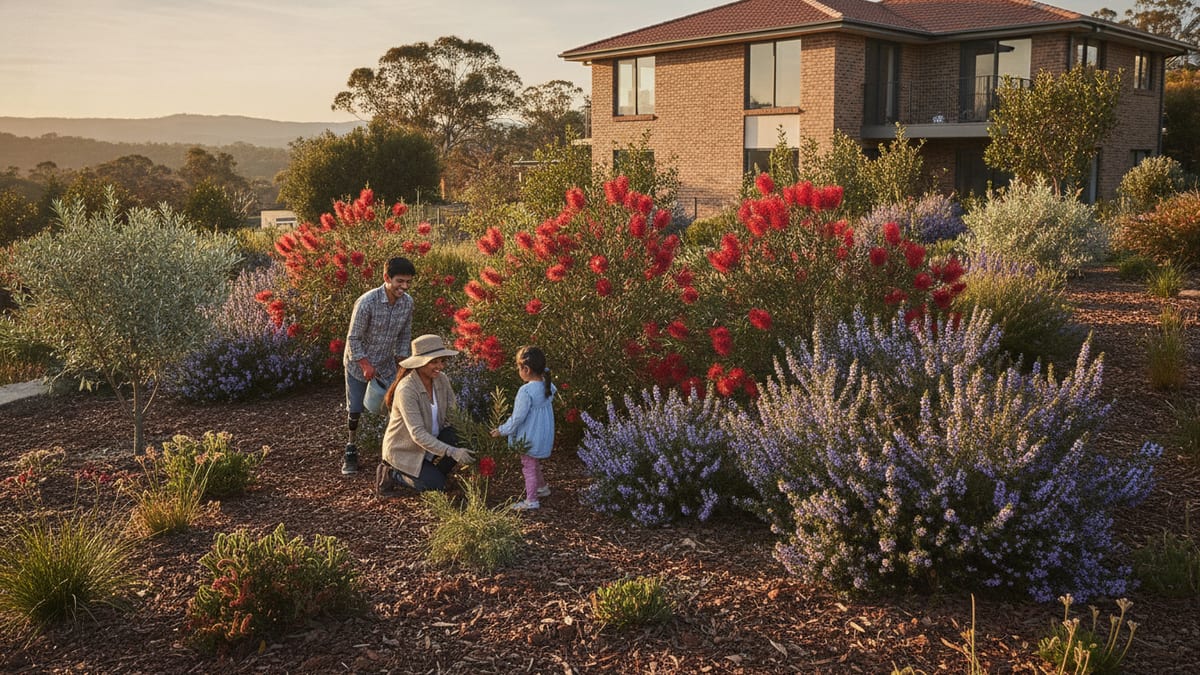
- Callistemon (bottlebrush)
- Melaleuca (tea tree)
- Leptospermum (tea tree)
These provide food and shelter. Many native bees nest in the hollow stems.
Seed and Fruit
Flowers aren't the only food. Plants that set seed or fruit extend your garden's appeal:
- Acacias (wattle) for seed-eating birds
- Lilly pilly for berry-eating birds
- Native grasses for ground feeders
- Spindly seed heads (leave them on over winter)
Avoid the Temptation to Tidy Up
Leave seed heads, hollow stems, and dead wood (if safe). This is where insects live, where birds hunt, where life happens. A "messy" native garden is often the most biodiverse.
Water
A shallow bowl of clean water is worth more than a fancy bird bath. Keep it filled and clean. Birds will visit daily.
Plant Density
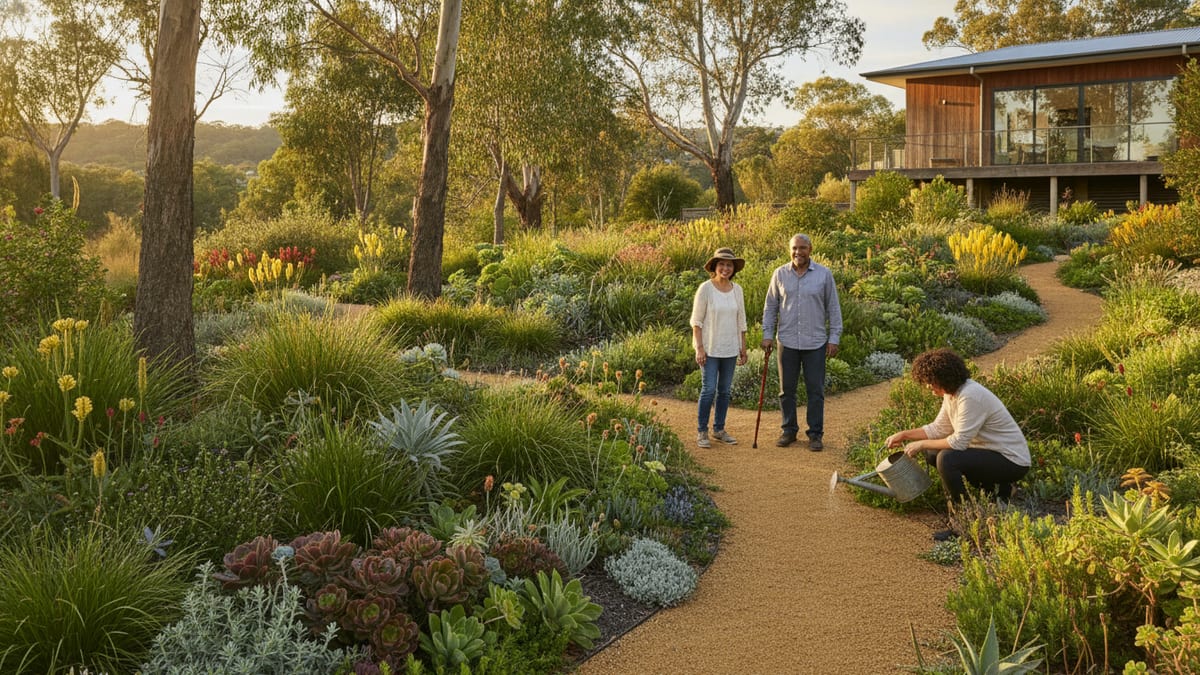
Wildlife prefers density — places to hide, perch, and move through. A sparse garden feels exposed to predators. A dense, layered garden feels safe.
Seasonal Succession
Ideally, something should be flowering or fruiting in every month. Plant spring, summer, autumn, and winter-flowering species so there's always food available.
Avoid Pesticides
Pesticides kill insects, which are the base of the food chain. Without insects, birds have nothing to eat. A native garden with no chemicals will support way more wildlife than a sprayed hybrid garden.
Specific Species to Seek Out
- Banksia serrata — attracts gang gangs and cockatoos
- Grevillea robusta — lorikeets and honeyeaters
- Callistemon viminalis — sunbirds and honeyeaters
- Prostanthera incisa — native bees
- Acacia longifolia — seed-eating finches
The Butterfly Garden
For butterflies, plant host plants (where they lay eggs) and nectar plants (where they feed):
Host plants: Acacia species, native hops (Humulus lupulus)
Nectar plants: Grevilleas, banksias, boronia, waratah (in larger gardens)
What You'll Notice
Plant for wildlife, and within months you'll hear more birds. Within a year, you'll start recognizing regulars. Gang gangs in autumn, lorikeets in spring, honeyeaters year-round, native bees humming through summer.
Your garden becomes part of the local ecosystem. It supports something larger than itself.
That's the real gift of wildlife gardening — you're not just growing plants, you're creating habitat.